
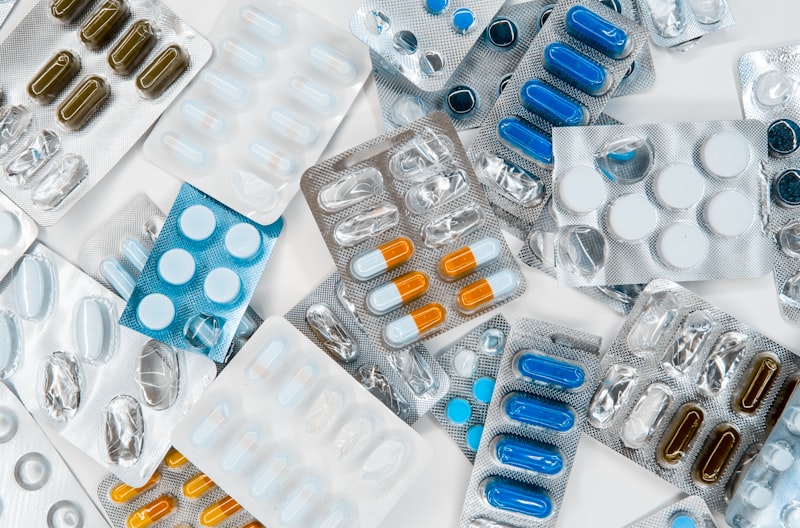
Hyperlipidemia: Understanding Cholesterol and Heart Health
Hyperlipidemia — commonly called high cholesterol — is one of the most common chronic conditions in adults and a major contributor to heart disease and stroke. Like high blood pressure, it usually causes no symptoms, quietly building plaque in your arteries over years or decades. The good news is that cholesterol is highly manageable through lifestyle changes and, when needed, medication. Understanding your lipid panel is the first step toward protecting your cardiovascular health.
Understanding Your Lipid Panel
A lipid panel measures several components:
- Total cholesterol: The overall amount in your blood
- LDL ("bad" cholesterol): Contributes to plaque buildup in arteries
- HDL ("good" cholesterol): Helps remove cholesterol from arteries
- Triglycerides: Another type of fat in the blood; high levels increase heart risk
General reference ranges include:
- Total cholesterol: Less than 200 mg/dL is desirable
- LDL: Less than 100 mg/dL is optimal (lower for high-risk individuals)
- HDL: 60 mg/dL or higher is protective
- Triglycerides: Less than 150 mg/dL is normal
These are general guidelines. Your physician will interpret your results based on your overall cardiovascular risk, not just the numbers alone.
Why Cholesterol Matters
Excess LDL cholesterol deposits in artery walls, forming plaque that narrows the arteries (atherosclerosis). Over time, this can lead to:
- Heart attack (when plaque ruptures in a coronary artery)
- Stroke (when plaque affects arteries to the brain)
- Peripheral artery disease (reduced blood flow to the limbs)
Because this process is silent, regular screening is essential. The goal isn't just normal numbers — it's preventing heart attacks and strokes.
Risk Factors
- Family history of high cholesterol or early heart disease
- Diet high in saturated and trans fats
- Physical inactivity
- Obesity
- Smoking
- Diabetes or prediabetes
- Age (risk increases with age)
- Hypothyroidism and kidney disease
Lifestyle Strategies
For many adults, lifestyle changes can significantly improve cholesterol:
- Eat a heart-healthy diet: Emphasize vegetables, fruits, whole grains, legumes, and healthy fats (olive oil, nuts, fish)
- Reduce saturated fat: Limit red meat, full-fat dairy, and processed foods
- Avoid trans fats: Check labels for partially hydrogenated oils
- Increase fiber: Soluble fiber (oats, beans, fruits) helps lower LDL
- Exercise regularly: Aim for at least 150 minutes per week
- Lose excess weight: Even modest weight loss improves cholesterol
- Quit smoking: Smoking lowers HDL and damages blood vessels
- Limit alcohol: Excessive drinking raises triglycerides
When Medication Is Needed
When lifestyle changes aren't enough — or when cardiovascular risk is high — medication may be necessary. Statins are the most commonly prescribed cholesterol-lowering medications and are highly effective at reducing heart attack and stroke risk. Other options include cholesterol absorption inhibitors, PCSK9 inhibitors, and medications for high triglycerides. Your physician will choose based on your individual risk profile and health history.
It's important to understand that cholesterol medication is about reducing cardiovascular risk, not just improving numbers. Even if your cholesterol improves with lifestyle changes, medication may still be recommended if your overall risk is elevated.
Monitoring
Adults should have their cholesterol checked at least every four to six years, or more often if elevated or if you have risk factors. Your physician will recommend a monitoring schedule based on your individual circumstances.
When to Seek Prompt Care
High cholesterol itself doesn't cause symptoms, but its complications do. Seek prompt care for:
- Chest pain or pressure
- Shortness of breath
- Pain in the legs with walking that improves with rest
- Sudden weakness, numbness, or difficulty speaking
When to Go to the Emergency Department
Call 911 immediately for:
- Chest pain or pressure, especially with sweating, nausea, or arm pain
- Sudden weakness or numbness on one side of the body
- Sudden difficulty speaking or understanding speech
- Sudden vision loss
- Severe difficulty breathing
Frequently Asked Questions
Can I lower cholesterol without medication?
Many people can improve cholesterol with lifestyle changes, but some will still need medication based on their overall cardiovascular risk. Your physician will help determine the right approach.
Are statins safe?
Statins are among the most studied and effective medications for reducing heart attack and stroke risk. Side effects are usually mild, and serious problems are rare. Discuss any concerns with your physician.
How often should I have my cholesterol checked?
Generally every four to six years for healthy adults, and more often if you have elevated cholesterol, risk factors, or a family history of heart disease.
Is all cholesterol bad?
No. Your body needs cholesterol for cell membranes and hormone production. The concern is with excess LDL, which contributes to plaque buildup. HDL is protective.
Managing cholesterol is one of the most effective ways to protect your heart and brain. If you're ready for personalized cardiovascular risk management, explore our membership-based primary care or contact Phoenix Medical Spa PLLC in McKinney, Prosper, Allen, or Melissa.
This article is for general educational purposes only and does not constitute medical advice, diagnosis, or treatment. Individual medical needs and treatment eligibility vary. Consult a qualified healthcare professional regarding your specific health concerns. If you believe you are experiencing a medical emergency, call 911 or seek emergency care immediately.
